

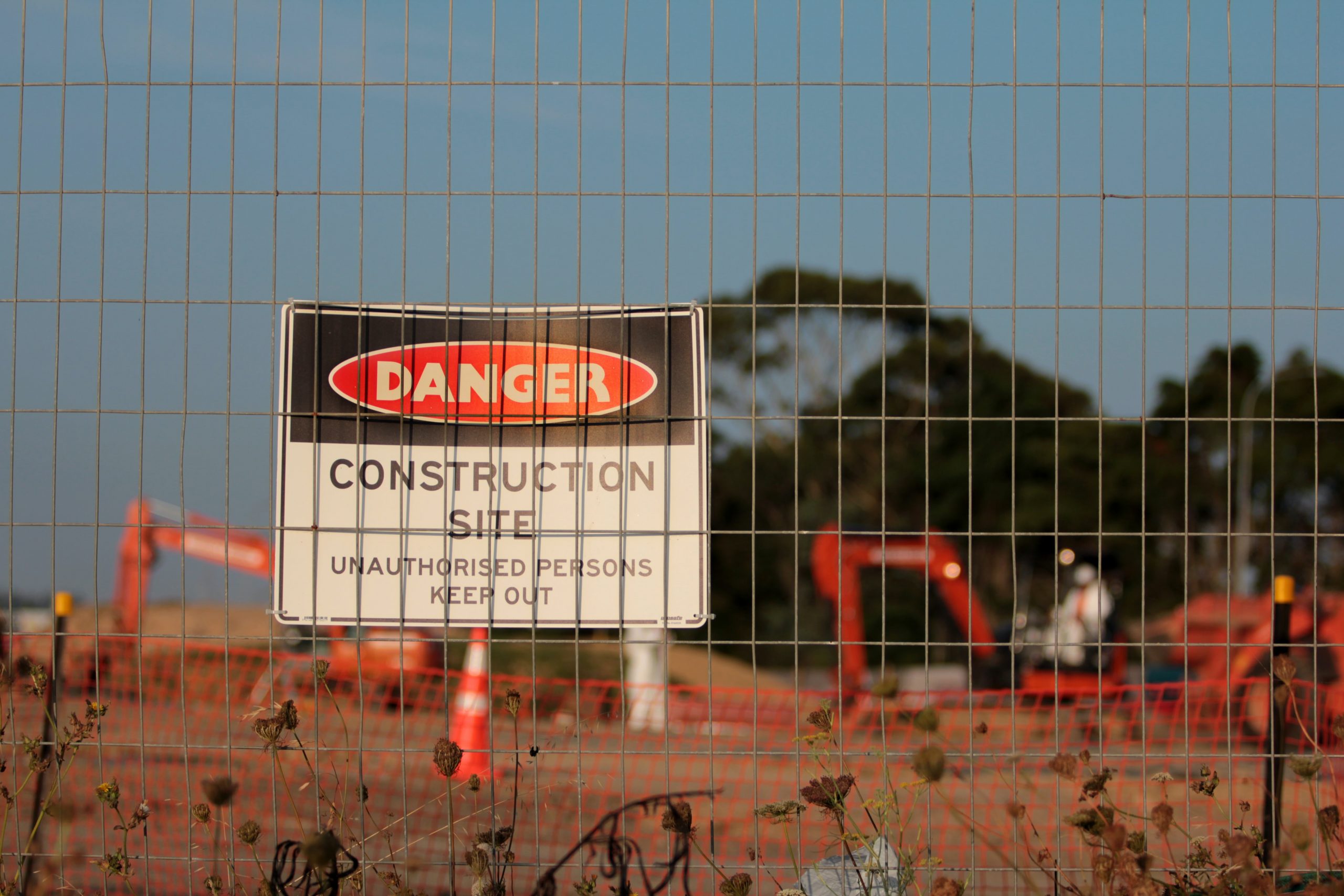
Civil engineering often appears to be a prestigious and rewarding job, but it does have some downsides. One of the cons of Civil engineering is a safety issue. Civil engineering offers some of the dangerous jobs out there. Occupation health and safety is therefore very important in Civil Engineering, and many company now require their engineers to undergo occupation health and safety training. In an effort to raise awareness about the dangers that civil engineering may entail, we have prepared a list of the top five most dangerous jobs in civil engineering.
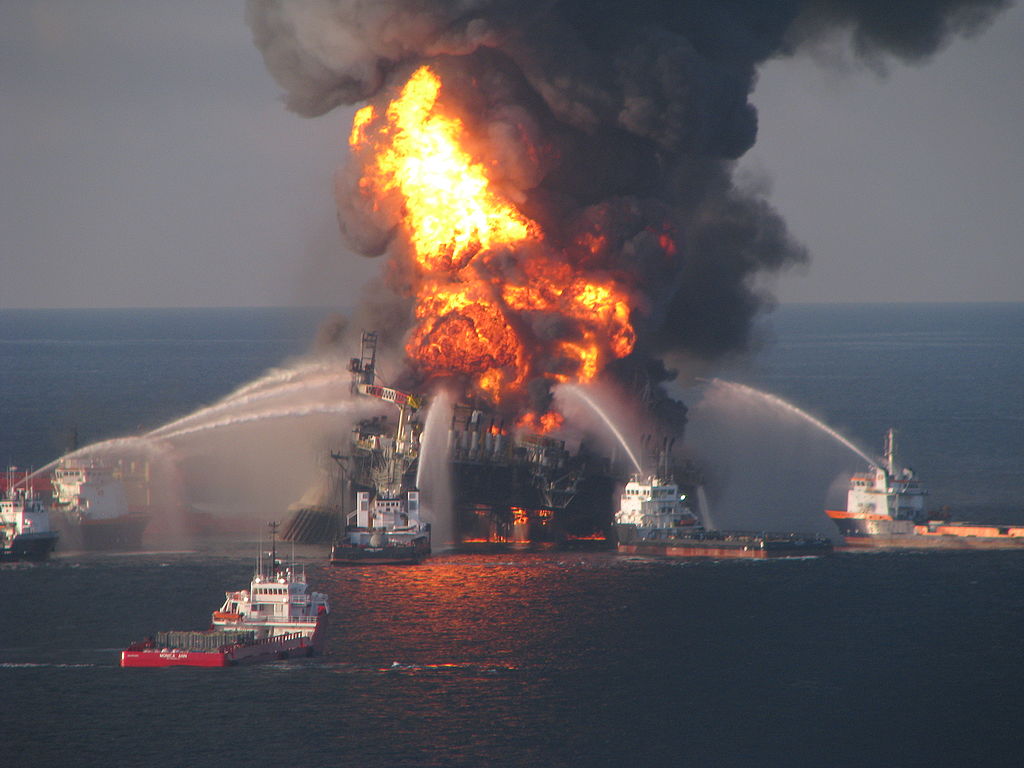
1. Oil & Gas facility construction
The construction and management of facilities for oil and gas such as oil rigs, is very dangerous due to risk of fire outbreaks and explosions. If the construction process involves drilling using explosives, the risk for workers is even greater. For oil and gas construction, part of the efforts is to ensure that workers are safe by providing adequate protection through proper safety procedures and equipment. As an example, engineers are now using drones to safely survey, inspect, detect and locate defects on site such as leaks, and this has led to improve safety when operating within an environment that is very hazardous.

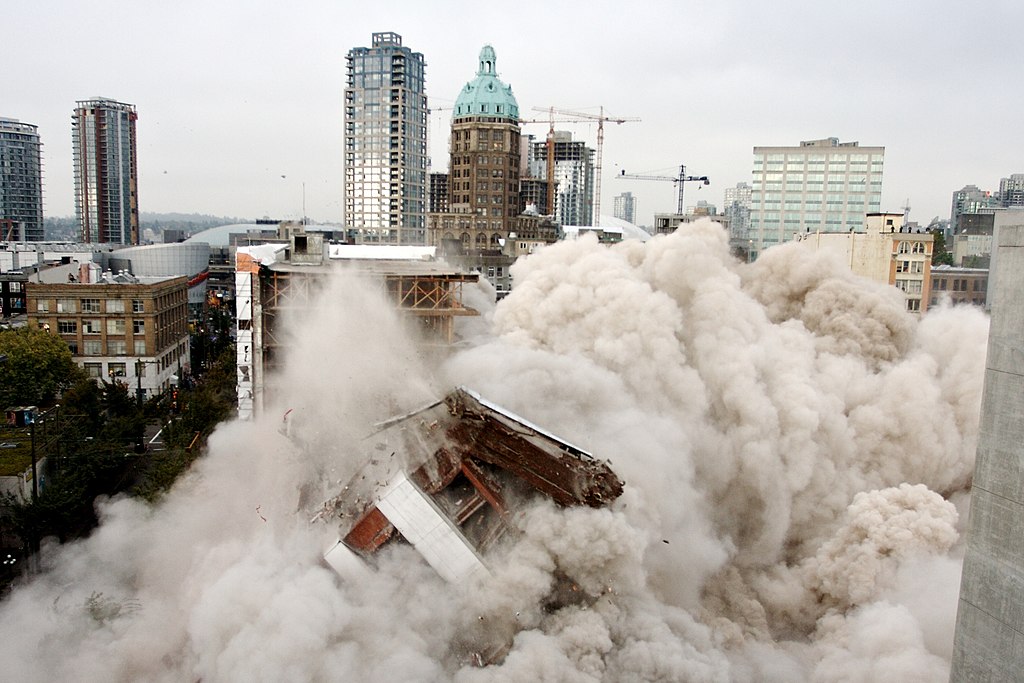
2. Demolition works
The danger in explosives is always present, and demolition works leave engineers working with nothing else. The hazards during demolition works are many and they include; falling debris, unintentional structural collapse and chemical hazard from dust. While a lot is done to ensure proper use of the explosives and control of individuals on site, the danger from falling objects at demolition site is always present. It therefore important for workers on these kinds of sites to put on proper protective equipment and follow the correct safety procedures.
3. High-rise construction
Out of the many occupational hazards, falls are the most dangerous, and with high-rise construction, the risk of a fall is high. If you couple high-rise construction with adverse weather, then possibility of a fall gets higher. Engineers at height therefore need to follow proper safety procedures when working.

4. Marine construction
Marine construction is also another job that bring forward a number of dangers. Engineers offshore face number of dangers such as slip or fall , and even being swept away strong waves. These dangers of marine construction become worse when there is adverse weather.
5. Sewer and duct construction
Sewer and duct construction is also not for the faint-hearted. In this kind of work, engineers can face a number of dangers such as; being crushed or even suffocation as a result of collapsing ducts. To add to that, working in confined spaces during sewer construction can expose workers to harmful substances such as toxic air.
Conclusion
If one of the above jobs is part of the your dream career, then it is important that you not only prepare but also ensure to follow proper occupational healthy and safety procedures. Ensure to have a safety helmet on at all times during site work. It is also important that you use safety belts and harness during high-rise inspections and works. Having a first aid training may also be a life saver in case an accident. You should also coordinate and communicate well with the rest of the team to ensure that you are well informed about the danger zones on site especially during demolition works.
YOU MAY ALSO LIKE TO READ
- A Simple Guide to Runoff ManagementWhether you are working on a small infrastructure project or a large one, rainwater (runoff) is always going to be an issue. That’s why runoff management is a critical part of sustainable land development and environmental protection. As more parts of the world become urbanized and climate patterns continue to… Read more: A Simple Guide to Runoff Management
- A Billion Dollar Problem: What Construction Waste Management Means for the IndustryIt is estimated that nearly 30% of the world’s solid waste comes from construction and demolition (C&D) activities. This includes everything from broken concrete, wood, metal, drywall, bricks, glass, plastics, asphalt, to packaging materials. Most of this waste ends up in landfills, contributing to environmental degradation and increasing costs for… Read more: A Billion Dollar Problem: What Construction Waste Management Means for the Industry
- 5000 Years of Computing: Our Engineering Journey to Quantum ComputingFor over a millennium, human ingenuity has been entwined with the development of tools to aid computation. From the use of the abacus beads to the barely comprehensible entanglement of quantum bits, computing has evolved not only in speed and complexity but also in the way engineers use it to… Read more: 5000 Years of Computing: Our Engineering Journey to Quantum Computing