


Osmosis is a process that has several applications in many engineering industries. By definition, osmosis is the process of the movement of solvent molecules from a region of low solute concentration to a region of high solute concentration through a semi-permeable membrane.
While osmosis is typically associated with biological systems, it also has practical implications in the field of civil engineering. Here are a few applications of osmosis in civil engineering:
1. DESALINATION
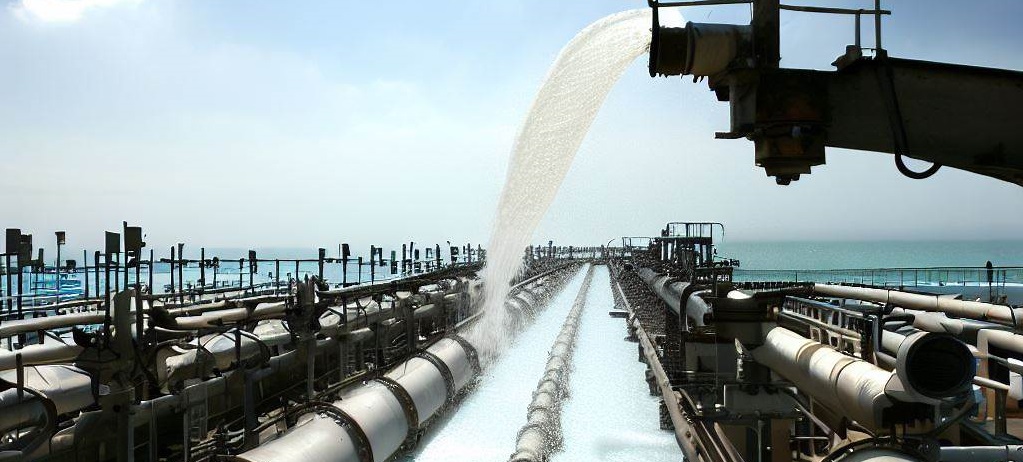
Reverse osmosis plays a vital role in the desalination of seawater. Reverse osmosis is a widely used technique where high pressure is applied to force water molecules to move from the saline side of a membrane to the freshwater side, leaving behind dissolved salts and impurities.
This process is employed to obtain freshwater for various civil engineering applications, including drinking water supply, irrigation, and industrial processes.
2. SOIL STABILIZATION

Osmosis can be utilized in soil stabilization techniques. In certain cases, soils with high clay content tend to absorb water and swell, leading to instability and potential damage to structures built on them. To solve this problem, osmotic consolidation is applied.
Osmotic consolidation involves applying a solution of higher solute concentration on the soil surface. The osmotic pressure difference causes water to move out of the clay particles, resulting in the consolidation and stabilization of the soil.
3. CONCRETE REMEDIATION

Osmosis can also be used in the remediation of concrete structures affected by alkali-silica reaction (ASR). ASR is a chemical reaction that occurs between the alkaline components of cement and certain types of reactive siliceous aggregates, resulting in the expansion and cracking of concrete. Osmotic systems can be employed to make alkali-silica reaction resistant concrete.
4. GEOTECHNICAL ENGINEERING
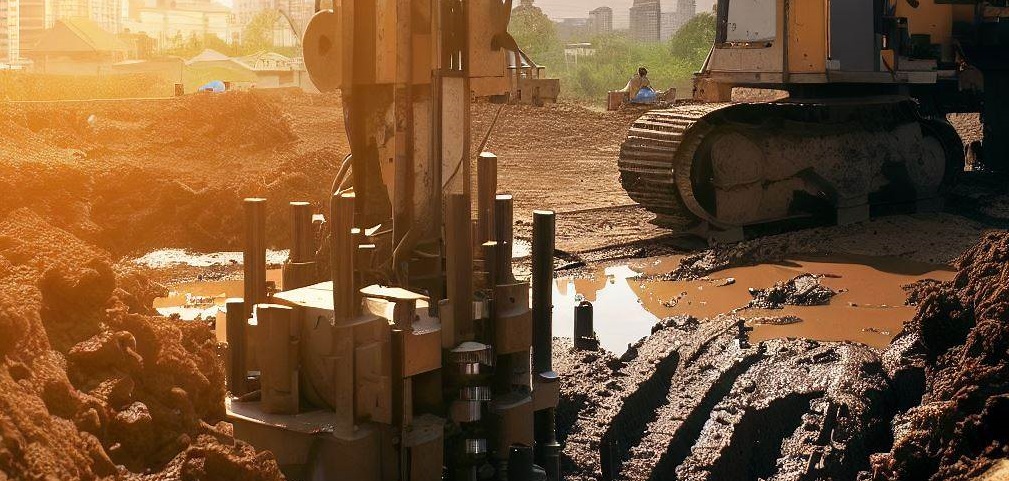
Osmosis can be employed in geotechnical engineering to control seepage and mitigate groundwater-related issues. Using electro-osmosis, the moisture content of the soil can be reduced, and hence the strength of the soil.
CONCLUSION
It is important to note that while osmosis presents potential applications in civil engineering, its practical implementation and feasibility may vary depending on specific project requirements, cost-effectiveness, and environmental considerations. Therefore, careful analysis and evaluation is essential before incorporating osmosis-based techniques into your civil engineering projects.
For more updates, like our Facebook Page.
Please don’t forget to subscribe to our newsletter!
YOU MAY ALSO LIKE TO READ
- A Simple Guide to Runoff ManagementWhether you are working on a small infrastructure project or a large one, rainwater (runoff) is always going to be an issue. That’s why runoff management is a critical part of sustainable land development and environmental protection. As more parts of the world become urbanized and climate patterns continue to… Read more: A Simple Guide to Runoff Management
- A Billion Dollar Problem: What Construction Waste Management Means for the IndustryIt is estimated that nearly 30% of the world’s solid waste comes from construction and demolition (C&D) activities. This includes everything from broken concrete, wood, metal, drywall, bricks, glass, plastics, asphalt, to packaging materials. Most of this waste ends up in landfills, contributing to environmental degradation and increasing costs for… Read more: A Billion Dollar Problem: What Construction Waste Management Means for the Industry
- 5000 Years of Computing: Our Engineering Journey to Quantum ComputingFor over a millennium, human ingenuity has been entwined with the development of tools to aid computation. From the use of the abacus beads to the barely comprehensible entanglement of quantum bits, computing has evolved not only in speed and complexity but also in the way engineers use it to… Read more: 5000 Years of Computing: Our Engineering Journey to Quantum Computing