

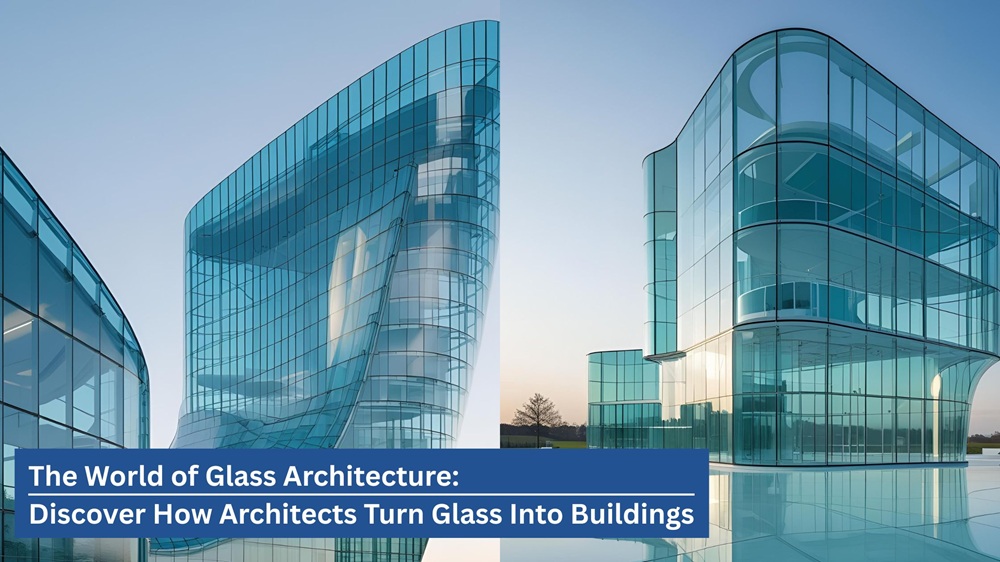
Have you experienced a building where light is the primary material, walls dissolve into sweeping vistas, and the line between inside and out simply melts away. This is the magic of glass architecture , a design philosophy where transparency, elegance, and audacious is key.
But how did we transform one of history’s most fragile materials into the backbone of our boldest structures? Let’s explore the transparent world of glass, from its core principle design to some of the breathtaking examples of buildings that use glass design.
What is Glass Architecture?
Glass architecture is a design approach that uses glass not just for windows, but as a primary structural and aesthetic material. It’s a commitment to openness, lightness, and a deeper connection to the surrounding world.
The role of glass has evolved dramatically. Thanks to breakthroughs in material science, what was once a simple pane is now a high-performance system. Laminated, tempered, and curved glass can now bear loads, insulate against the elements, and even generate energy.
From transparent skyscrapers to crystal-clear pavilions, glass architecture allows buildings to feel lighter, more integrated with the environment, and emotionally evocative.
The Principles of Glass Architecture
Great glass architecture isn’t just shiny, it’s intelligent. Here are the core principles that guide its design:
1. Transparency & Light
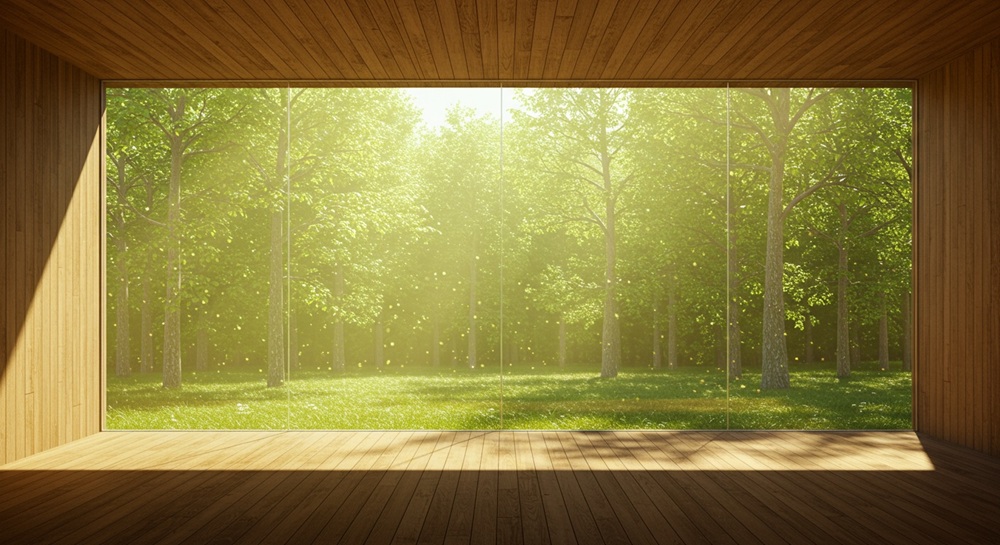
The ultimate goal is to maximize natural light, reducing reliance on artificial sources and enhancing occupant well-being. Glass blurs the psychological boundary between interior and exterior, fostering a sense of freedom and connection.
2. Structural Expression
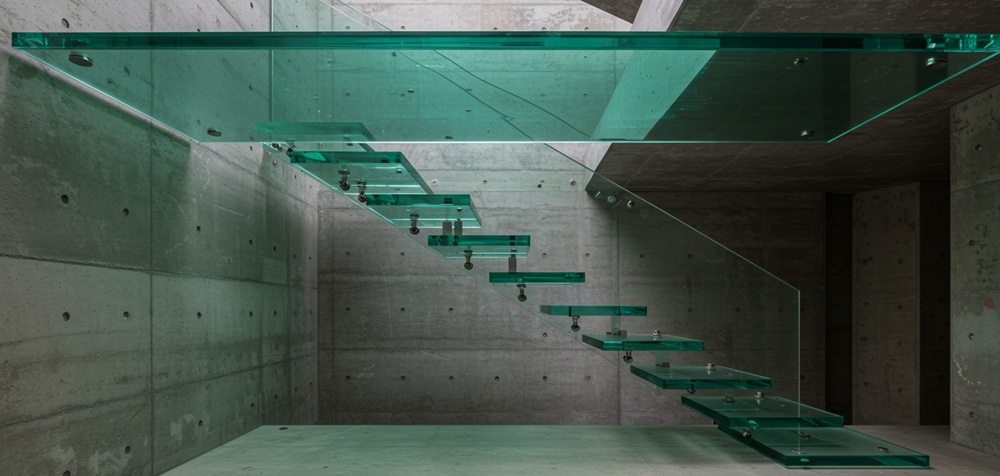
With advancements like laminated and tempered glass, architects now use glass structurally in beams, floors, and even stairs without compromising safety.
3. Minimalism

Glass is the minimalist’s dream. Its inherent transparency supports clean lines, uncluttered sightlines, and uninterrupted spaces. It allows a building’s form and function to speak for themselves, without ornamental distraction.
4. Insulation and Energy Efficiency
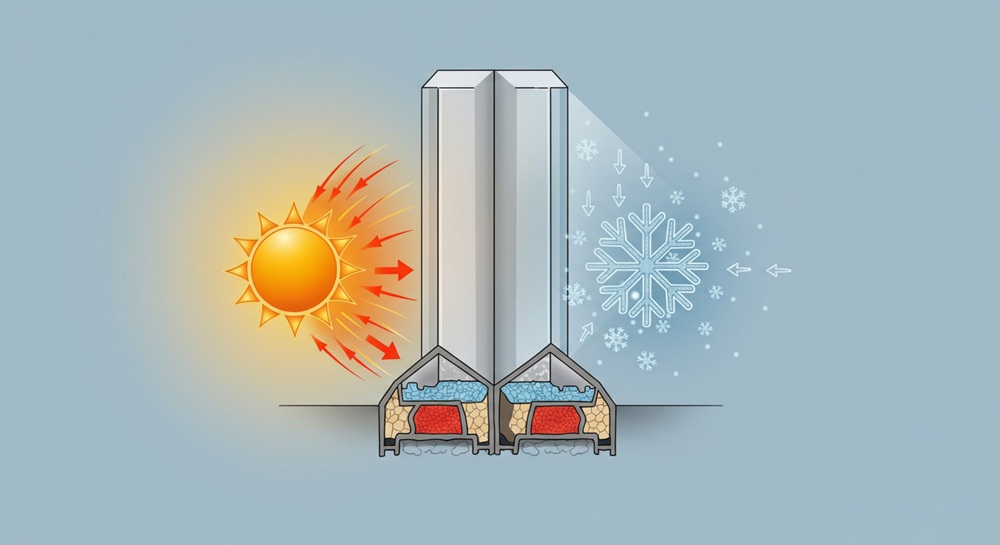
Glass can be treated with coatings or used in insulated glass units to provide excellent thermal insulation, reducing energy consumption for heating and cooling.
5. Contextual Integration

A glass structure can act as a mirror, reflecting its urban skyline or natural surroundings. This chameleon-like ability allows it to enter a dynamic dialogue with its environment, whether harmonizing with nature or standing in bold contrast to it.
Five Stunning Examples of Glass Architecture
Here are five iconic buildings showcase the artistry and engineering behind visionary glass design.
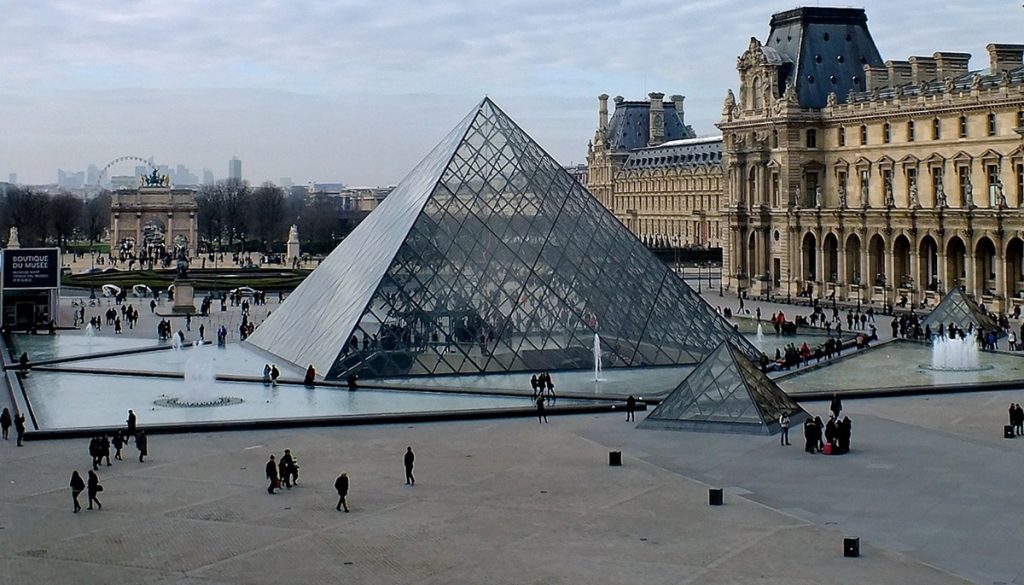
1. The Louvre Pyramid – Paris, France
This iconic glass and metal pyramid serves as the entrance to the Louvre Museum. It is a masterstroke of contrast and a hyper-modern structure placed in the heart of classical Paris. With 673 shaped glass panes, the pyramid channels light deep into the underground lobby while symbolizing transparency in art and history.
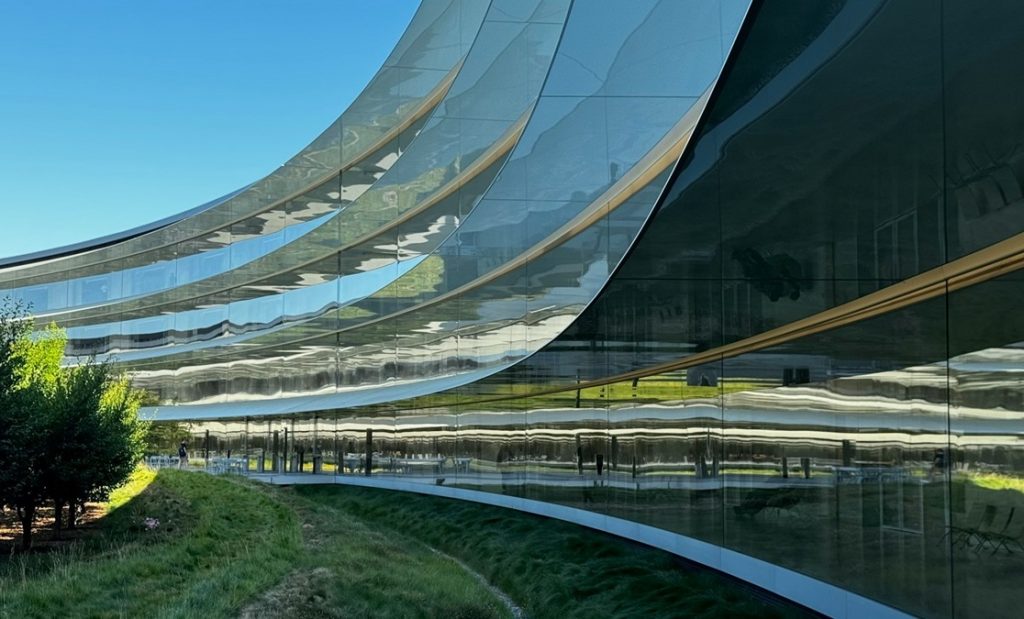
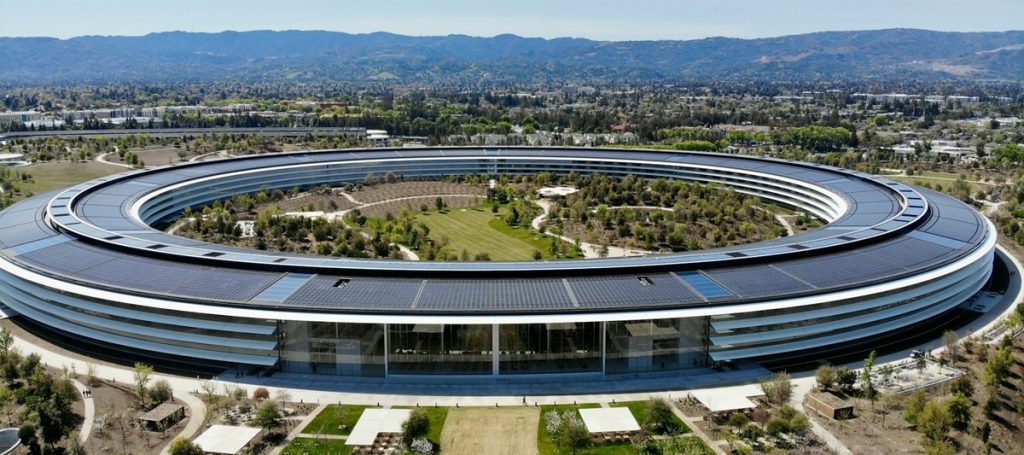
2. Apple Park – Cupertino, California
Known as the “Spaceship,” Apple’s headquarters features the world’s largest panels of curved structural glass. Its seamless, mile-long curtain wall dissolves the barrier between the high-tech interior and the lush, restored California landscape. The design is a testament to Apple’s ethos of innovation and seamless integration.
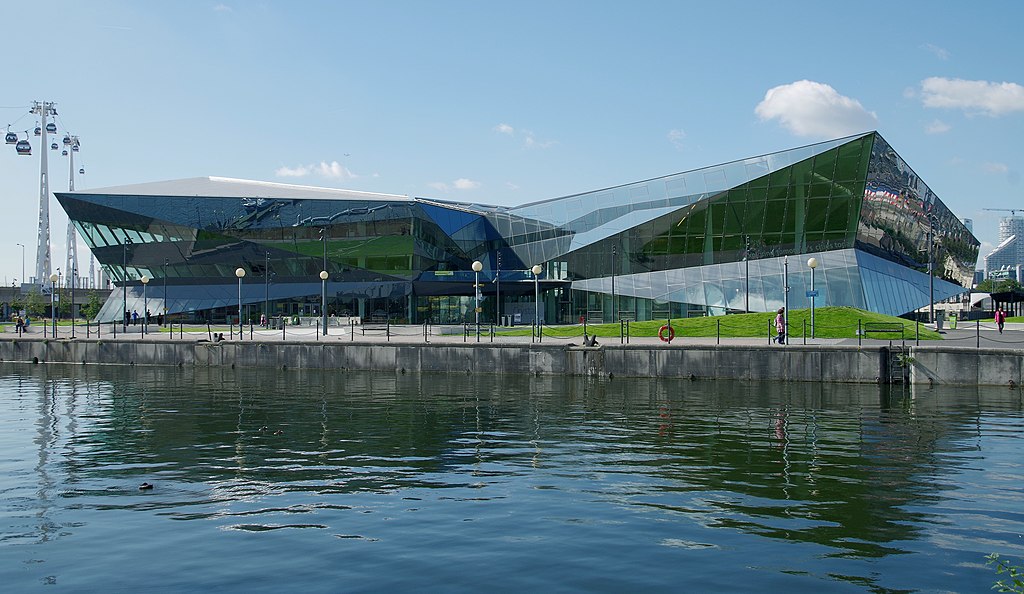
3. The Crystal – London, UK
The Crystal is less a building and more a manifesto for sustainable design. Its crystalline, angular form is entirely clad in high-performance glass, incorporating photovoltaic panels, solar thermal heating, and ground-source heat pumps. It stands as definitive proof that glass architecture can lead the charge toward a carbon-neutral future.

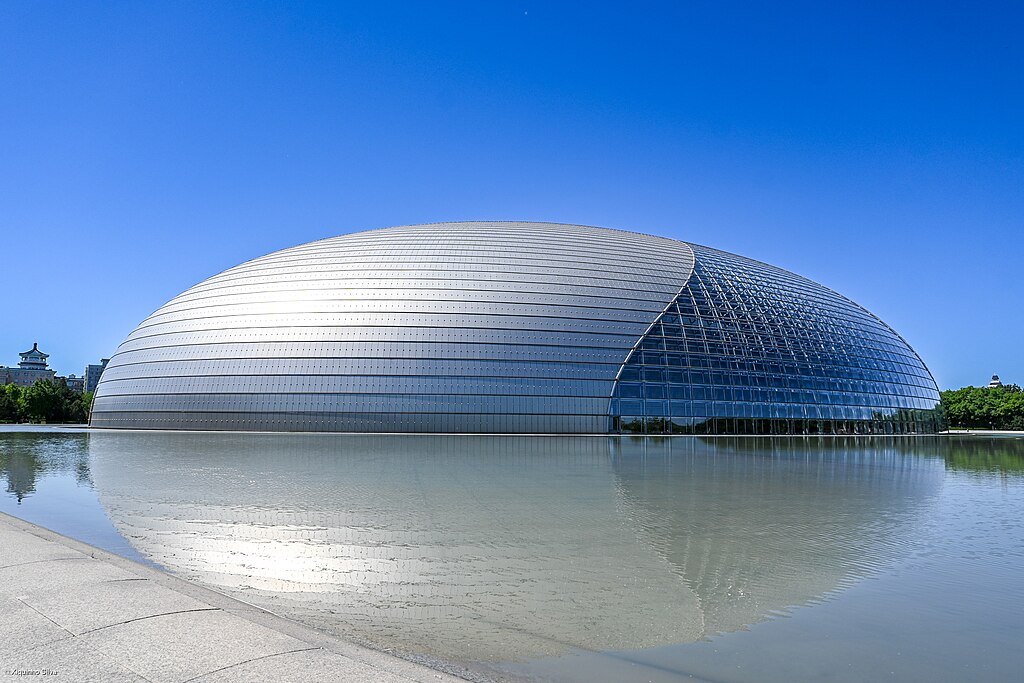
4. National Centre for the Performing Arts – Beijing, China
Nicknamed “The Giant Egg,” this futuristic dome floats on an artificial lake, wrapped in a curtain of glass and titanium. The glass portion of the ellipsoidal shell opens up to a dramatic entrance hall, creating a seamless transition between exterior and interior. Its glass curtain wall, combined with the reflective water, gives the building an ethereal quality — as if it’s hovering. The structure beautifully balances transparency with monumentality, standing as a bold cultural landmark in the heart of Beijing.

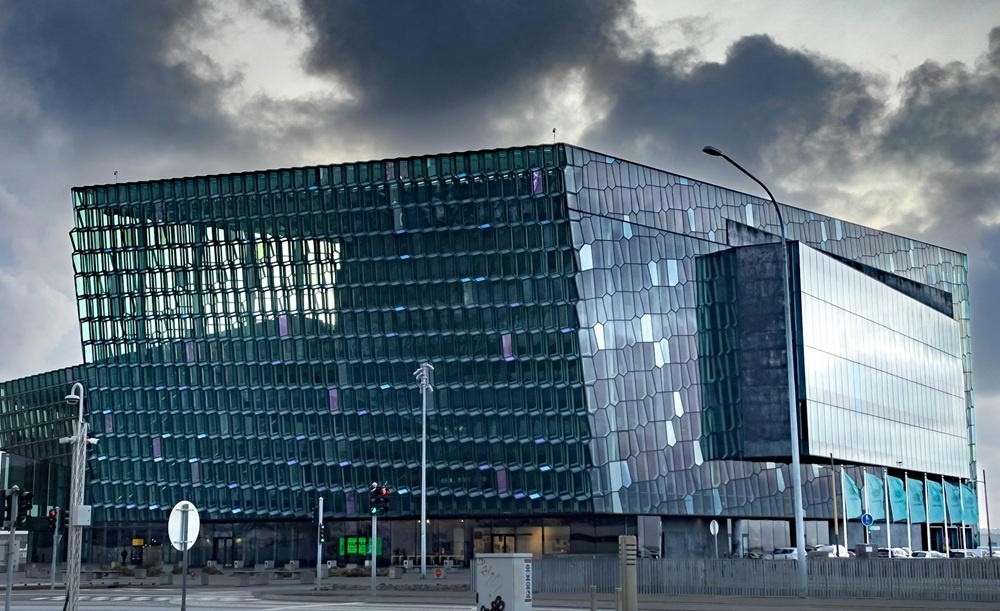
5. Harpa Concert Hall – Reykjavik, Iceland
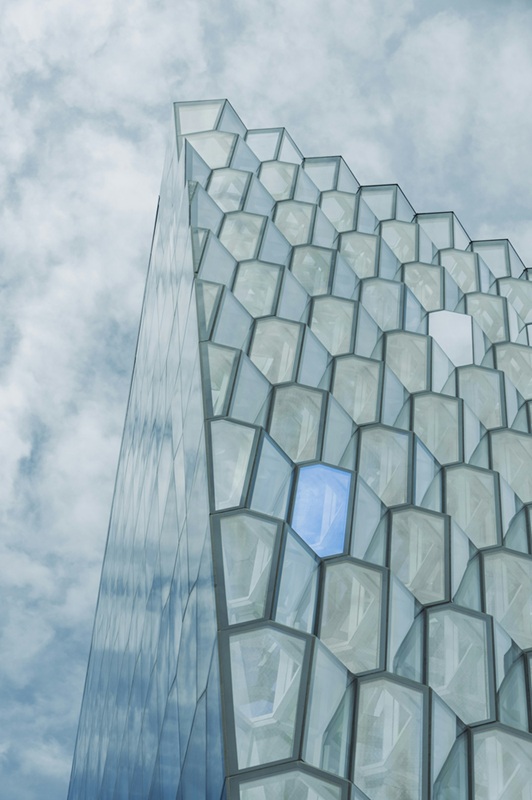
Harpa’s striking glass facade is inspired by Iceland’s basalt landscape. Its geometric, honeycomb-like panels shift colors with light and weather, offering a dynamic, ever-changing visual experience. The structure merges art, acoustics, and architecture in a truly transparent celebration of culture.
Conclusion
There is something profoundly human in our attraction to glass. It speaks to our desire for connection with nature, with our community, and with light itself. It allows us to see the world while reflecting our own place within it.
Glass architecture is more than an aesthetic trend; it is a testament to human ingenuity. It demonstrates our ability to transform a fragile element into a material of immense strength and beauty. In a city skyscraper or a quiet rural home, it inspires awe while reminding us that the most powerful designs are often the most open.
Please don’t forget to subscribe to our newsletter!
YOU MAY ALSO LIKE TO READ
- A Simple Guide to Runoff ManagementWhether you are working on a small infrastructure project or a large one, rainwater (runoff) is always going to be an issue. That’s why runoff management is a critical part of sustainable land development and environmental protection. As more parts of the world become urbanized and climate patterns continue to… Read more: A Simple Guide to Runoff Management
- A Billion Dollar Problem: What Construction Waste Management Means for the IndustryIt is estimated that nearly 30% of the world’s solid waste comes from construction and demolition (C&D) activities. This includes everything from broken concrete, wood, metal, drywall, bricks, glass, plastics, asphalt, to packaging materials. Most of this waste ends up in landfills, contributing to environmental degradation and increasing costs for… Read more: A Billion Dollar Problem: What Construction Waste Management Means for the Industry
- 5000 Years of Computing: Our Engineering Journey to Quantum ComputingFor over a millennium, human ingenuity has been entwined with the development of tools to aid computation. From the use of the abacus beads to the barely comprehensible entanglement of quantum bits, computing has evolved not only in speed and complexity but also in the way engineers use it to… Read more: 5000 Years of Computing: Our Engineering Journey to Quantum Computing