


As civil engineers, we do more than construct buildings and roads we help shape the world around us. Our field is built on a foundation of history, innovation, problem-solving, and creativity. One of the most inspiring ways to connect with that legacy is by visiting places where civil engineering has left a lasting impact. Whether you are a student just starting out, a seasoned professional, or simply someone curious about how the world works, exploring these remarkable sites can be both educational and truly inspiring.
To keep it simple, here are some of the benefits of visiting places like this:
- Learning from past and modern engineering marvels
- Gaining insight into different materials, methods, and challenges
- Seeing how civil engineering impacts culture and society
- Networking with professionals around the globe
- Reigniting your passion for building and innovation
Ten Places for Any Civil Engineer To Visit
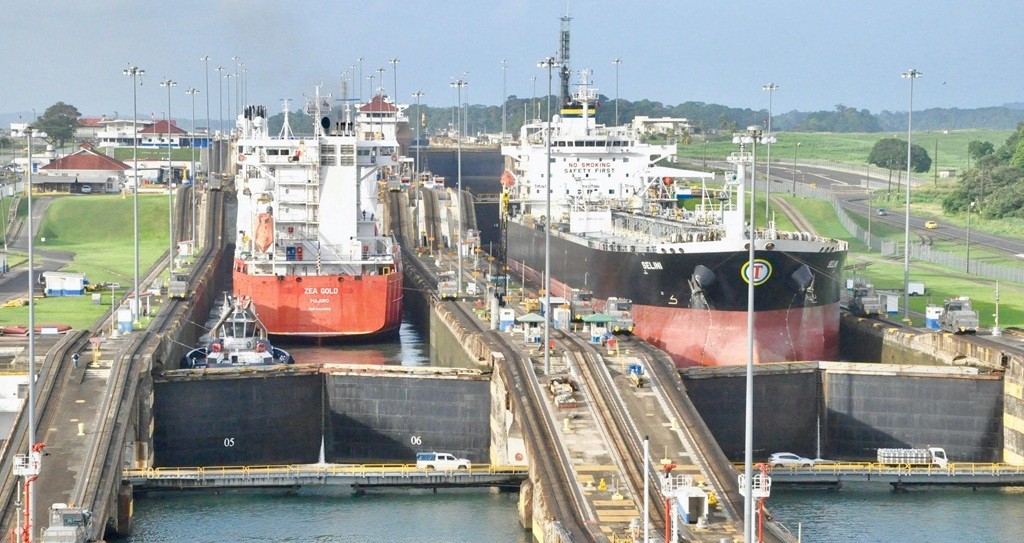
1. The Panama Cana, Panama
This is one of the greatest sites of civil engineering in the 20th century. This artificial waterway connects the Atlantic and Pacific Oceans. The Panama Canal is a masterclass in large-scale planning, earthmoving, and hydraulic engineering.
2. Rome, Italy
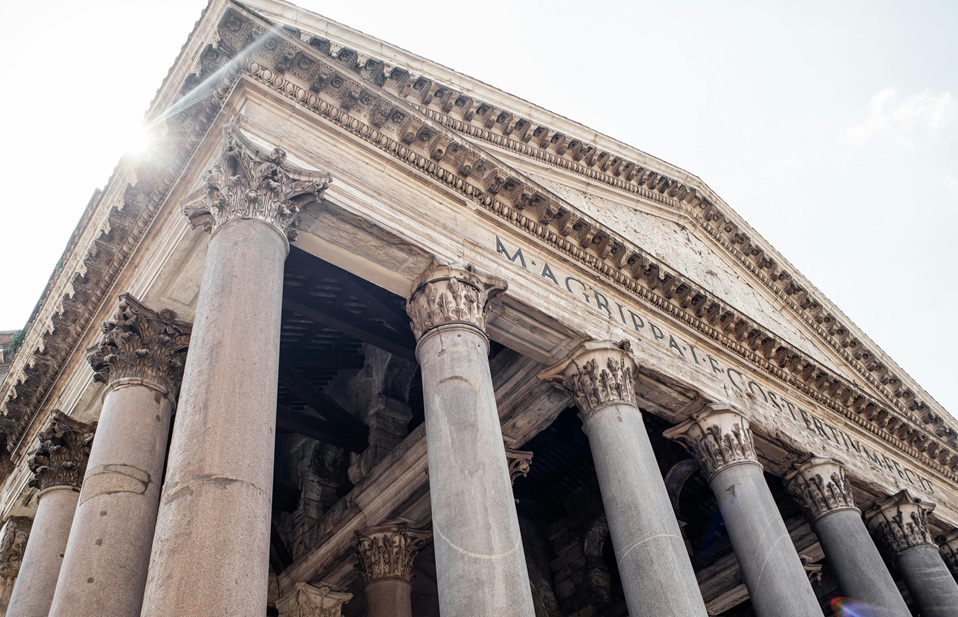
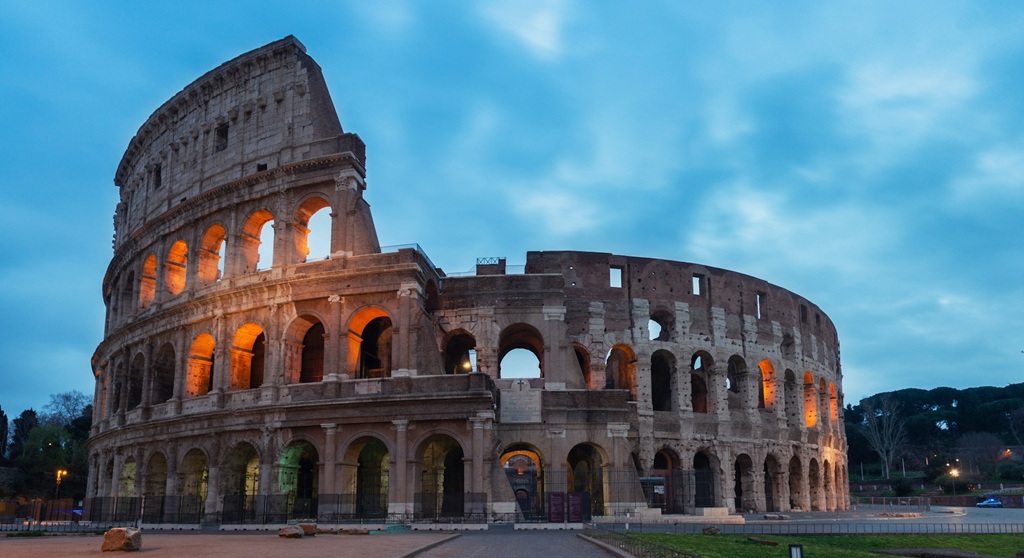
Rome as a city is a living museum of ancient civil engineering from aqueducts and roads to the Colosseum and Pantheon. Rome showcases how engineering shaped an empire. As a civil engineer, you will appreciate the long-lasting roads, clever water systems, and massive structures that were built without modern machinery. It’s a great place to reflect on durability, material use, and timeless design principles.
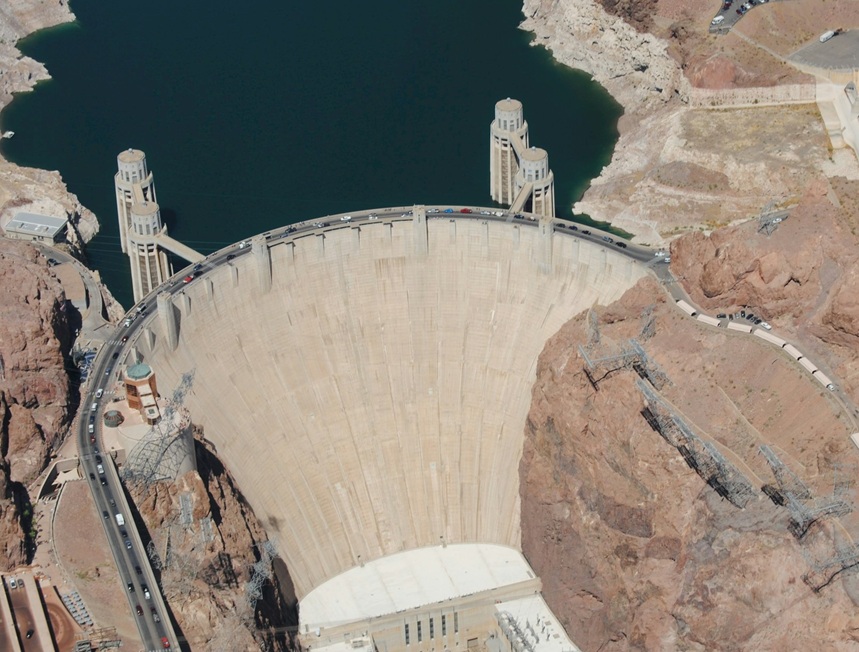
3. Hoover Dam , USA
The Hoover Dam is a massive concrete arch-gravity dam that tamed the Colorado River and generated power for millions. This infrastructural project is an engineering icon. The dam demonstrates the power of civil engineering to solve environmental and societal challenges. If you visit the hoover dam, you will learn about structural design, hydroelectric energy, and how mega-projects can influence regional development.
4. Dubai, United Arab Emirates
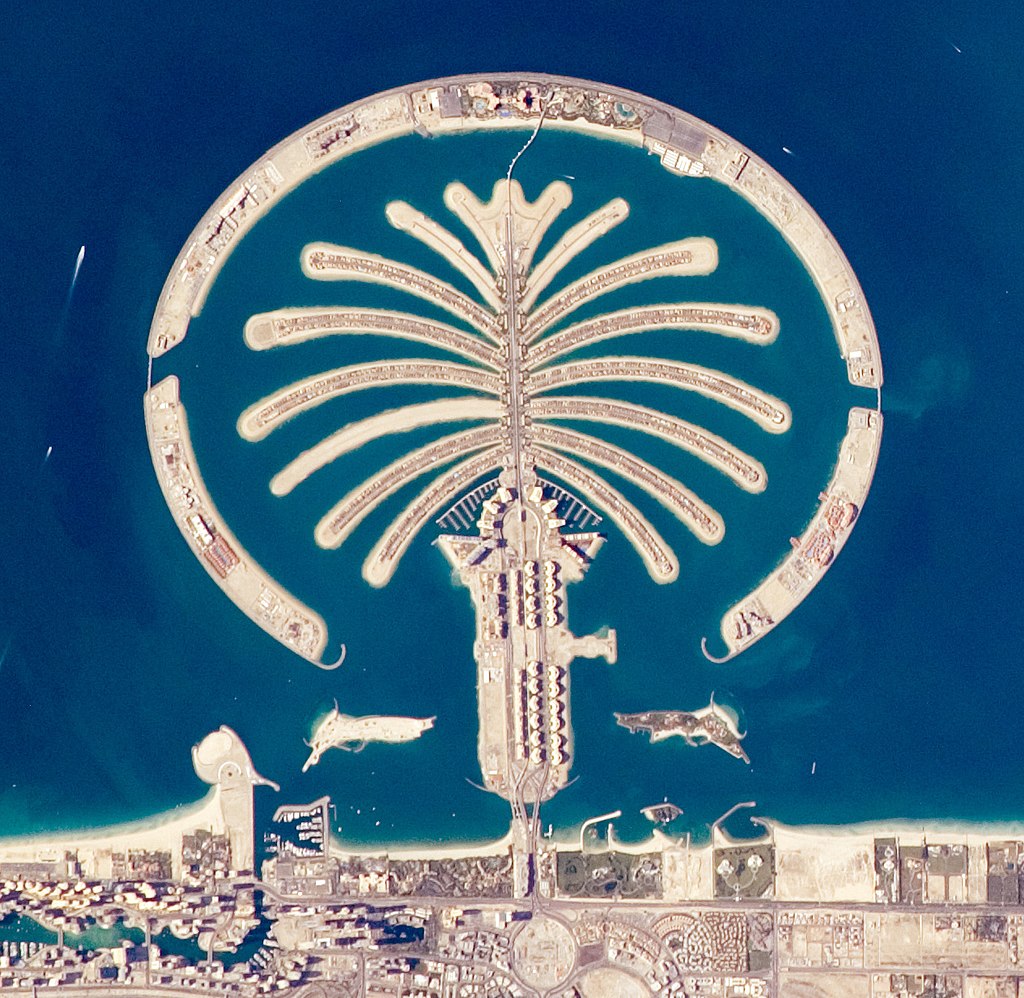
Dubai is a futuristic city known for pushing the boundaries of construction and design. From the Burj Khalifa to Palm Jumeirah, Dubai is a living portfolio of 21st-century engineering achievements. Civil engineers visiting the city can learn about cutting-edge materials, smart cities concepts, and the challenges of building in extreme climates.

.jpg)
5. The Great Wall of China
The Great Wall is a massive ancient fortification system stretching over 21,196 km. It’s an example of logistical coordination, large-scale labor force management, and adaptation to varied terrain. While visiting the Great Wall, engineers can study historical construction methods, the use of local materials, and structural longevity under environmental stress.

6. Machu Picchu, Peru
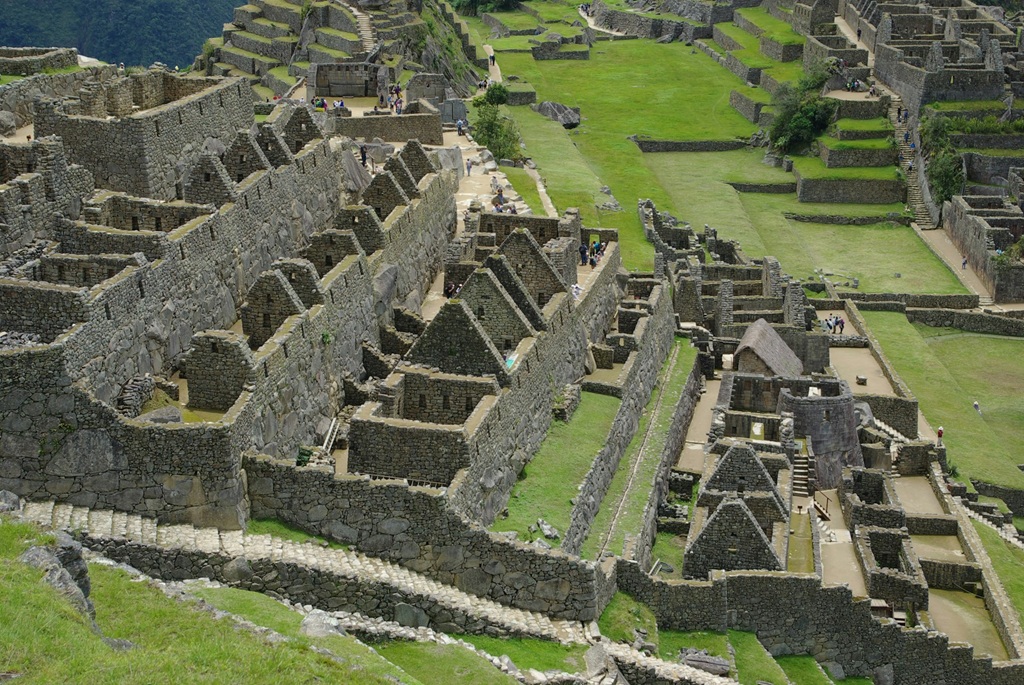
An ancient Incan city located high in the Andes, built with precise stonework and sophisticated drainage systems. Machu Picchu’s civil engineering is a marvel of ancient construction. The site offers insights into slope stabilization, sustainable design, and building with the natural environment. It’s also a great study in how infrastructure can preserve harmony with nature.
7. Tokyo, Japan
This is one of the most advanced and resilient cities on Earth, Tokyo is a beacon of innovation in earthquake-resistant design and urban planning. While in Tokyo, Civil engineers can explore the latest in seismic base isolation, transportation infrastructure, and space optimization. Tokyo is also a hub for conferences and tech expos that focus on engineering solutions for densely populated, disaster-prone cities.


8. London, UK
This is a city rich in both historic and modern infrastructure right from the London Underground (the world’s first subway) to the Thames Barrier and Crossrail. London provides a blend of old and new, showcasing how civil engineering evolves over time. Visiting this city gives insights into tunneling techniques, water management, and how engineers keep aging infrastructure functional in a modern world.

9. Golden Gate Bridge, USA
This is an iconic suspension bridge spanning the Golden Gate Strait. A masterpiece of structural elegance and functionality, this bridge symbolizes resilience and innovation. As a civil engineer, you will admire its wind resistance, seismic upgrades, and the sheer ambition of the design. It’s also an excellent example of engineering serving both function and form.

10. The Engineering Wonders of Ancient Egypt – Cairo & Giza, Egypt
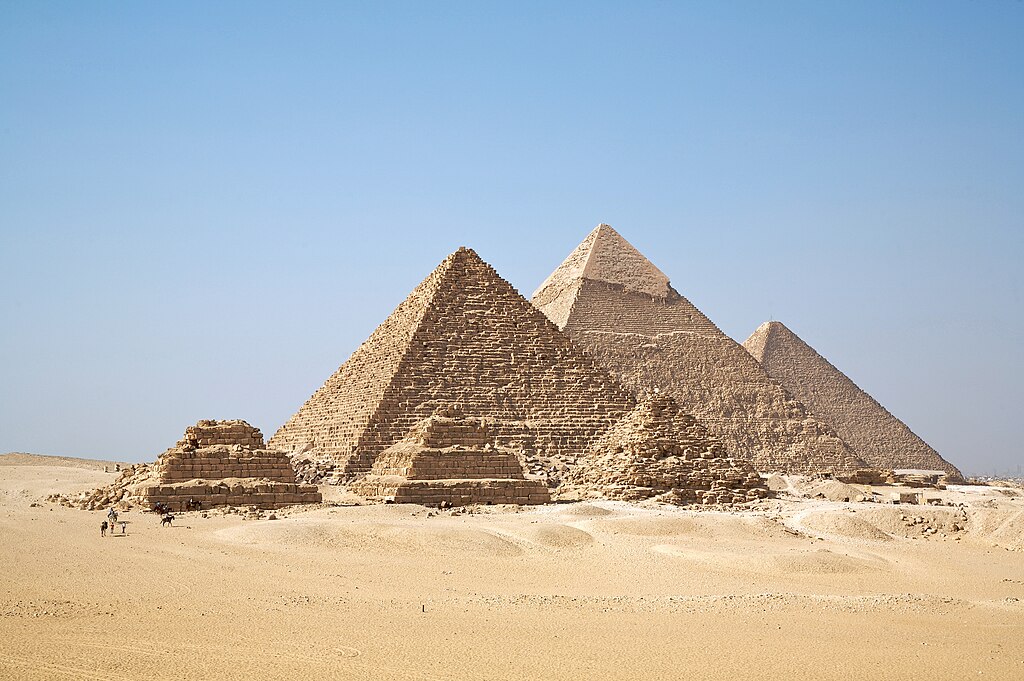
This is the home to the Great Pyramids of Giza, ancient temples, and one of the earliest known examples of large-scale civil engineering. Ancient Egyptian engineers designed and constructed awe-inspiring monuments that have stood for over 4,500 years without modern tools or machinery. The Great Pyramid of Khufu, in particular, is an architectural and logistical wonder. From precise alignments with cardinal directions to advanced techniques in stone cutting and transportation, Egypt’s ancient sites are a treasure trove for understanding the origins of structural engineering, surveying, and project planning.

Conclusion
Traveling as a civil engineer isn’t just about enjoying beautiful sights it’s about learning from the world’s biggest challenges and solutions. Every road, dam, bridge, and city tells a story about human ingenuity and determination.
Please don’t forget to subscribe to our newsletter!
YOU MAY ALSO LIKE TO READ
- A Simple Guide to Runoff ManagementWhether you are working on a small infrastructure project or a large one, rainwater (runoff) is always going to be an issue. That’s why runoff management is a critical part of sustainable land development and environmental protection. As more parts of the world become urbanized and climate patterns continue to… Read more: A Simple Guide to Runoff Management
- A Billion Dollar Problem: What Construction Waste Management Means for the IndustryIt is estimated that nearly 30% of the world’s solid waste comes from construction and demolition (C&D) activities. This includes everything from broken concrete, wood, metal, drywall, bricks, glass, plastics, asphalt, to packaging materials. Most of this waste ends up in landfills, contributing to environmental degradation and increasing costs for… Read more: A Billion Dollar Problem: What Construction Waste Management Means for the Industry
- 5000 Years of Computing: Our Engineering Journey to Quantum ComputingFor over a millennium, human ingenuity has been entwined with the development of tools to aid computation. From the use of the abacus beads to the barely comprehensible entanglement of quantum bits, computing has evolved not only in speed and complexity but also in the way engineers use it to… Read more: 5000 Years of Computing: Our Engineering Journey to Quantum Computing