

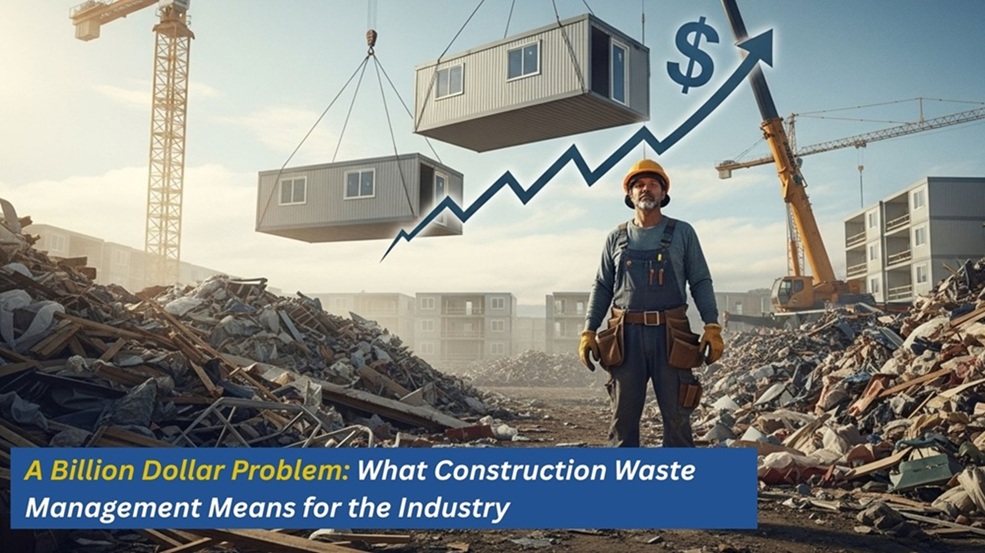
It is estimated that nearly 30% of the world’s solid waste comes from construction and demolition (C&D) activities. This includes everything from broken concrete, wood, metal, drywall, bricks, glass, plastics, asphalt, to packaging materials. Most of this waste ends up in landfills, contributing to environmental degradation and increasing costs for developers, contractors, and governments.
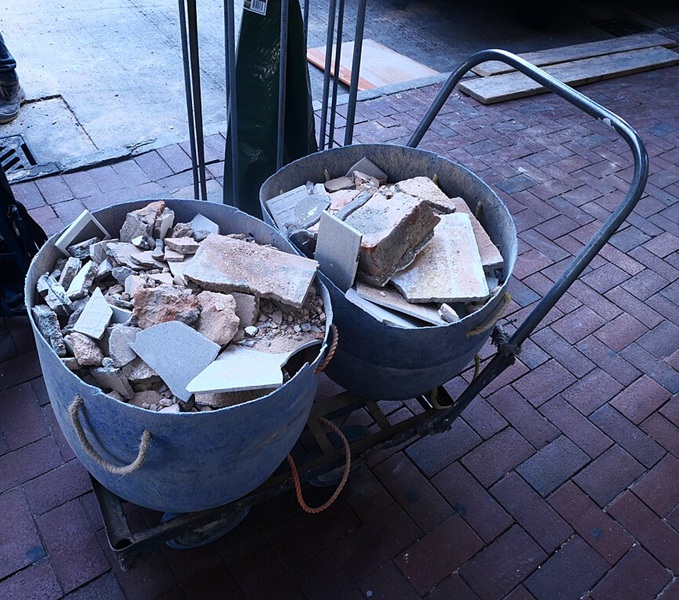
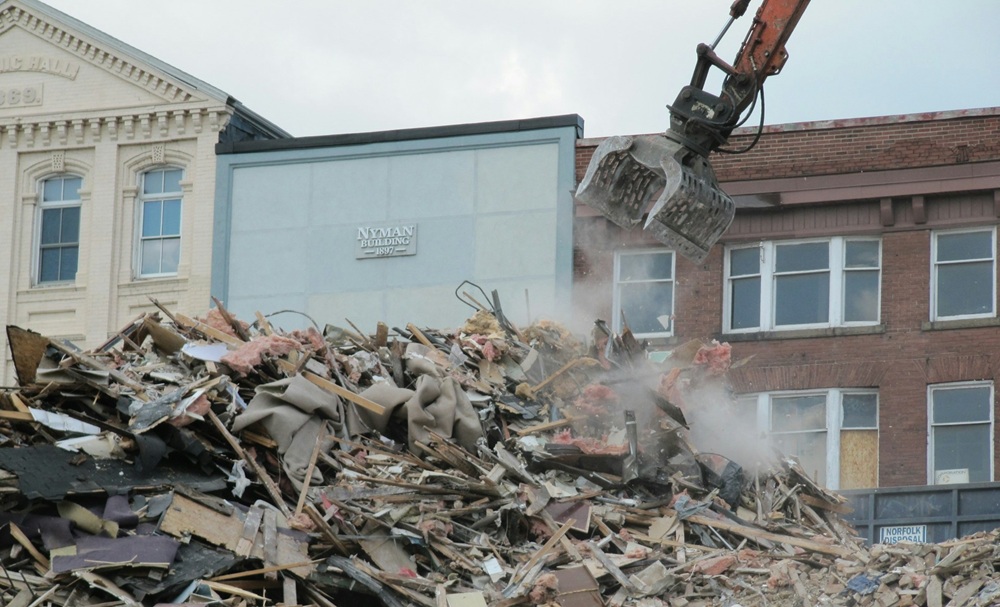
According to the UNEP’s Global Waste Management Outlook 2024, the direct global cost of waste management was estimated at USD 252 billion in 2020, but when including hidden costs, such as pollution, health issues, and climate change, the total cost rises to USD 361 Billion. Without urgent action, this annual cost is projected to nearly double to USD 640 billion by 2050. This rapid growth signals two things: the sheer scale of the problem, and the enormous opportunity for innovative and preventive waste management solutions. So why is waste or specifically construction waste management becoming such a problem and what can be done about it?
Why Construction Waste Is a Critical Issue?
The waste from construction and demolition has become a focal point for the construction industry for several key reasons as it is impacting everything from profit margins to planetary health.
- Environmental Impact
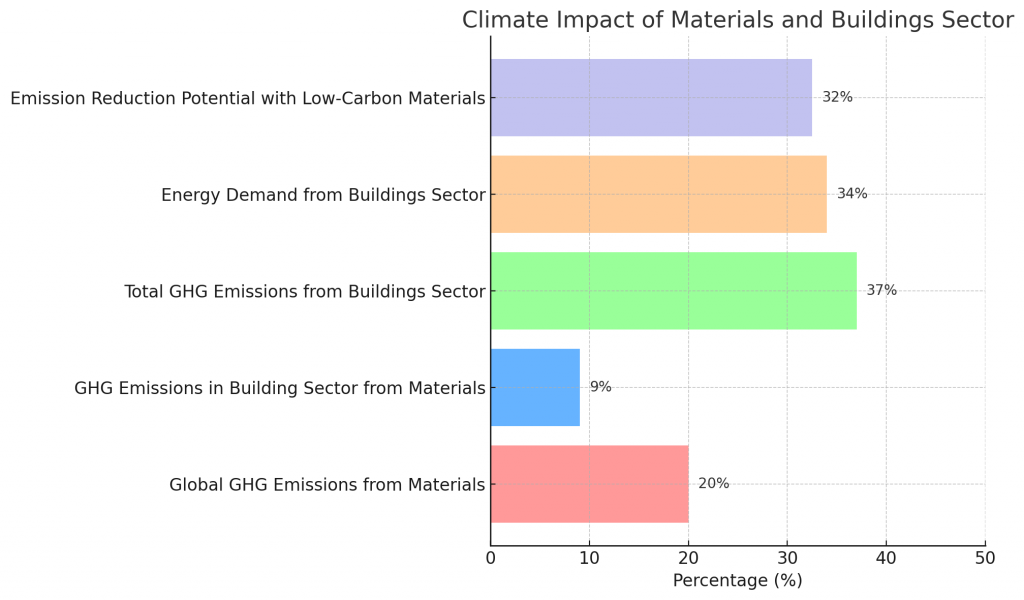
Construction waste contributes significantly to land, air, and water pollution. Improper disposal can leach hazardous chemicals into the soil and groundwater, while burning waste releases carbon emissions and other pollutants. Furthermore, as organic materials like wood decompose in landfills, they release methane, a greenhouse gas much more potent than carbon dioxide. Improperly managed C&D waste can also lead to the leaching of hazardous chemicals such as solvents, adhesives, and treated woods into the soil and groundwater, contaminating local ecosystems for decades.
2. Economic Costs
Wasteful construction practices lead to lost materials, higher project costs, and increased disposal fees. The economic burden extends far beyond simple disposal fees. It includes the initial cost of procuring materials that are ultimately discarded, the labor hours spent handling and transporting waste, and the ever-increasing landfill tipping fees. Inefficient material management often leads to over-ordering, while poor on-site storage can result in material damage, rendering it unusable. For developers and contractors operating on thin margins, these accumulated costs can significantly erode profitability.
3.Regulatory Pressure
In response to the growing environmental and economic concerns, governments and municipalities worldwide are tightening regulations. Many jurisdictions now mandate the submission of detailed Waste Management Plans (WMPs) as a condition of project approval. These plans often require contractors to specify how they will sort, reuse, and recycle materials, and to meet minimum diversion rate targets (the percentage of waste diverted from landfills). Failure to comply can result in substantial financial penalties and project delays.
4. Resource Scarcity
The construction industry heavily depends on raw materials, many of which are non-renewable. In the traditional construction model operates on a linear “take-make-dispose” basis. This model relies heavily on the extraction of virgin materials, many of which including sand, gravel, and certain metals are finite. By discarding valuable materials at the end of a project’s life, the industry places immense strain on natural resources. Adopting a circular economy approach, where materials are kept in use for as long as possible, is becoming not just an environmental ideal but a strategic necessity. Reusing and recycling waste can help conserve resources and reduce the need for virgin material extraction.
Current Solutions to Managing Construction Waste
While the problem is massive, a hierarchy of solutions is gaining traction. This includes moving from simple disposal to complex design-integrated strategies. Here are some of the solutions currently in action:
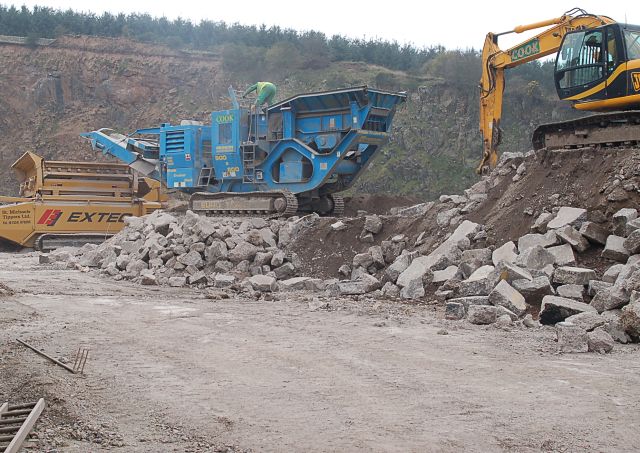
1. On-Site Sorting and Recycling
Separating waste materials on-site (e.g., wood, concrete, metal) helps streamline recycling and reduce contamination. Many companies now use mobile sorting units to improve efficiency.


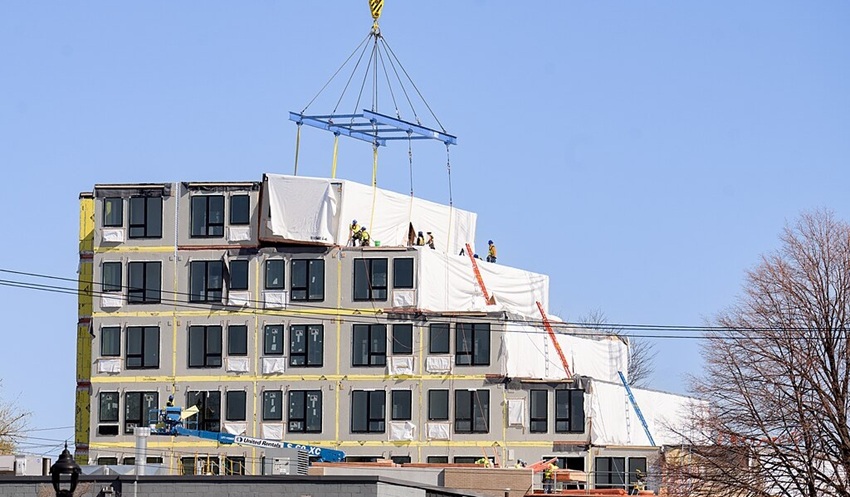
2. Modular and Prefabricated Construction
These techniques significantly reduce material waste by manufacturing components in controlled environments with precise measurements.
.jpg)
3. Digital Waste Tracking
Smart sensors and software platforms are being used to track materials throughout the project lifecycle, offering real-time insights into waste generation and helping teams make data-driven decisions. A notable example is the Teamoty Recycle App, which streamlines waste tracking and enhances transparency throughout the project lifecycle.
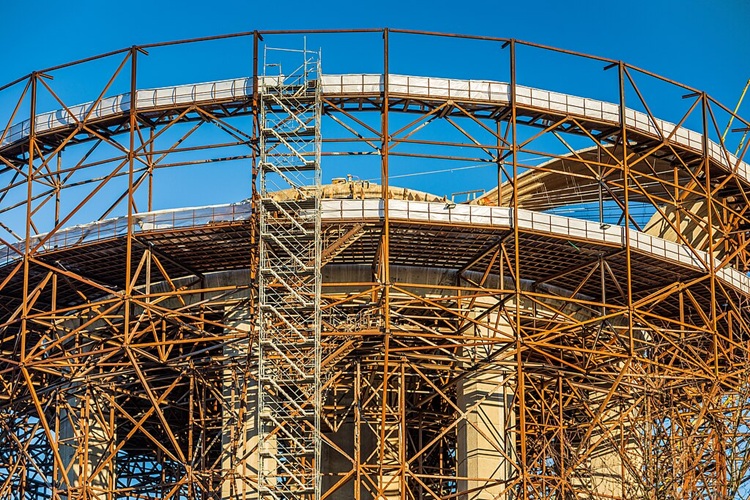
4.Material Reuse and Circular Economy Models
Some firms are investing in deconstruction rather than demolition carefully disassembling buildings so that components can be reused or repurposed.

5. Government Incentives and Green Certifications
Projects that adhere to sustainable waste management practices may qualify for tax benefits, LEED certification points, or government grants.
Conclusion
Construction waste is no longer an unavoidable byproduct to be buried and forgotten; it is a multi-billion-dollar economic liability and a significant environmental threat. As pressure mounts from regulators, clients, and the planet itself, the construction industry is at a critical inflection point.
Fortunately, the path forward is clear and supported by a growing arsenal of solutions. From design-phase optimization with BIM and modular construction to disciplined on-site segregation and tech-enabled tracking, the tools to build more efficiently are readily available.
References:
Fadiya, Olusanjo O., Georgakis, Panos, Chinyio, Ezekiel, Quantitative Analysis of the Sources of Construction Waste, Journal of Construction Engineering, 2014, 651060, 9 pages, 2014. https://doi.org/10.1155/2014/651060
Soto Paz, J., Arroyo Amell, O. D., Torres Guevara, L. E., Parra‑Orobio, B. A., & Casallas Ojeda, M. R. (2023). The circular economy in the construction and demolition waste management: A comparative analysis in emerging and developed countries. Journal of Building Engineering, 78, 107724. https://doi.org/10.1016/j.jobe.2023.107724
United Nations Environment Programme & International Solid Waste Association. (2024). Global Waste Management Outlook 2024: Beyond an age of waste – Turning rubbish into a resource. Nairobi, Kenya: United Nations Environment Programme. https://doi.org/10.59117/20.500.11822/44939
United Nations Environment Programme, (2025). Carbon financing for low-carbon buildings.
Please don’t forget to subscribe to our newsletter!
YOU MAY ALSO LIKE TO READ
- A Simple Guide to Runoff ManagementWhether you are working on a small infrastructure project or a large one, rainwater (runoff) is always going to be an issue. That’s why runoff management is a critical part of sustainable land development and environmental protection. As more parts of the world become urbanized and climate patterns continue to… Read more: A Simple Guide to Runoff Management
- A Billion Dollar Problem: What Construction Waste Management Means for the IndustryIt is estimated that nearly 30% of the world’s solid waste comes from construction and demolition (C&D) activities. This includes everything from broken concrete, wood, metal, drywall, bricks, glass, plastics, asphalt, to packaging materials. Most of this waste ends up in landfills, contributing to environmental degradation and increasing costs for… Read more: A Billion Dollar Problem: What Construction Waste Management Means for the Industry
- 5000 Years of Computing: Our Engineering Journey to Quantum ComputingFor over a millennium, human ingenuity has been entwined with the development of tools to aid computation. From the use of the abacus beads to the barely comprehensible entanglement of quantum bits, computing has evolved not only in speed and complexity but also in the way engineers use it to… Read more: 5000 Years of Computing: Our Engineering Journey to Quantum Computing