


Excavations are a critical part of many construction projects. From foundation to tunnel construction, excavations are a major stage in a construction project. While excavations are an essential step in construction, they also come with serious safety risks if not properly planned and managed. In this article, we are going to explore how to protect excavations to avoid accidents and the best safety practices to use when working within or around excavations.
How to protect excavations
A key step in ensuring excavation safety is to ensure that any excavation is well protected to avoid collapse and accidents. Below we are going to look at how to protect different types of excavations.
1. Trench excavation
Trenches are narrow excavations made below the ground surface, commonly utilized for laying pipes, cables, or constructing foundations. If the trenches are deep and narrow, they can pose serious risks to workers since their walls are susceptible to collapse.
To protect the trench excavations, sloping can be done by cutting back the trench wall at an angle to reduce the stress on the soil, and hence prevent collapse. The angle of sloping depends on the nature of the soil. It is therefore advisable to assess the soil conditions on your site and select an appropriate angle for the excavation slope.

Another way to protect the trench excavations is through benching. Benching involves the creation of a series of steps or benches along the trench walls to provide stability.
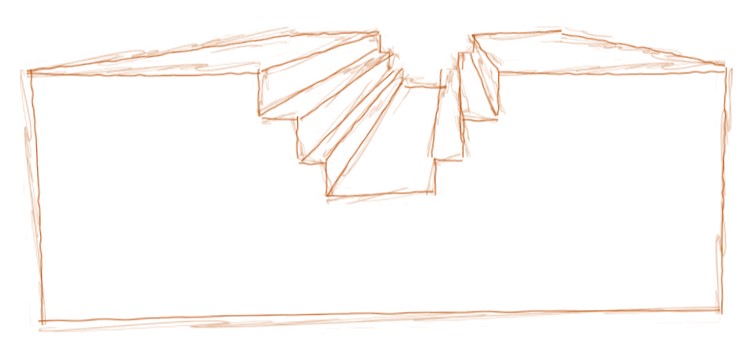
Trenches are also protected using shoring. Shoring involves the use of supports such as hydraulic or timber shores which are deliberately placed to prevent the soil from moving. Trench shoring boxes can also be used to protect workers and shield them from cave-ins. Trench boxes are prefabricated structures used to provide a safe working environment within the trench


.2. Open excavation
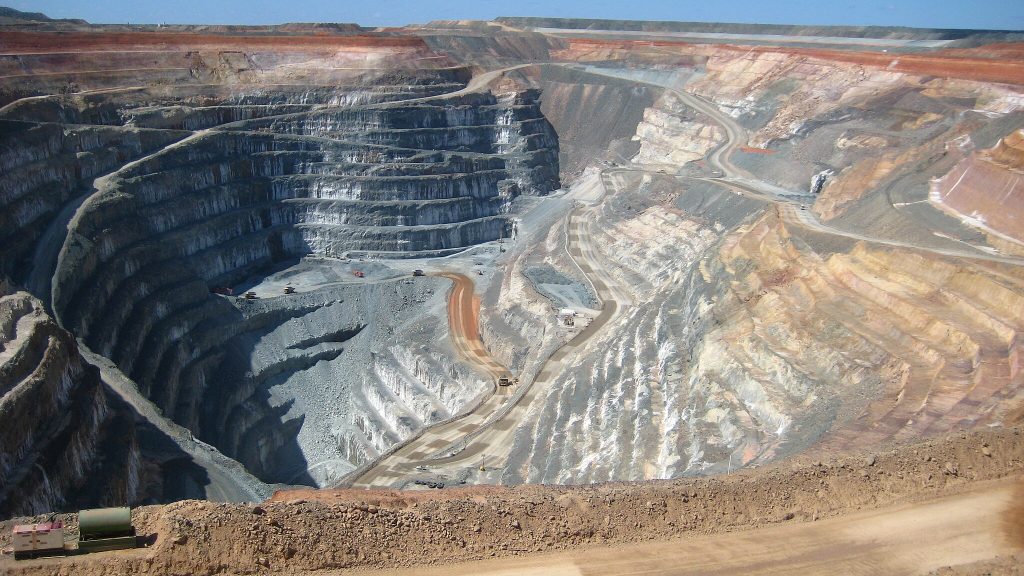
Open excavations are larger and deeper than trenches, and they are common for building foundations, and mining operations. Similar to trenches, protecting open excavations is crucial for worker safety. Common methods include benching, sloping, shoring, and soil stabilization techniques.
Soil stabilization involves treating the soil to enhance its strength and stability. Excavations can also be reinforced using methods such as soil nailing, grouting or deploying geotextile to prevent collapse.

3. Shaft excavation
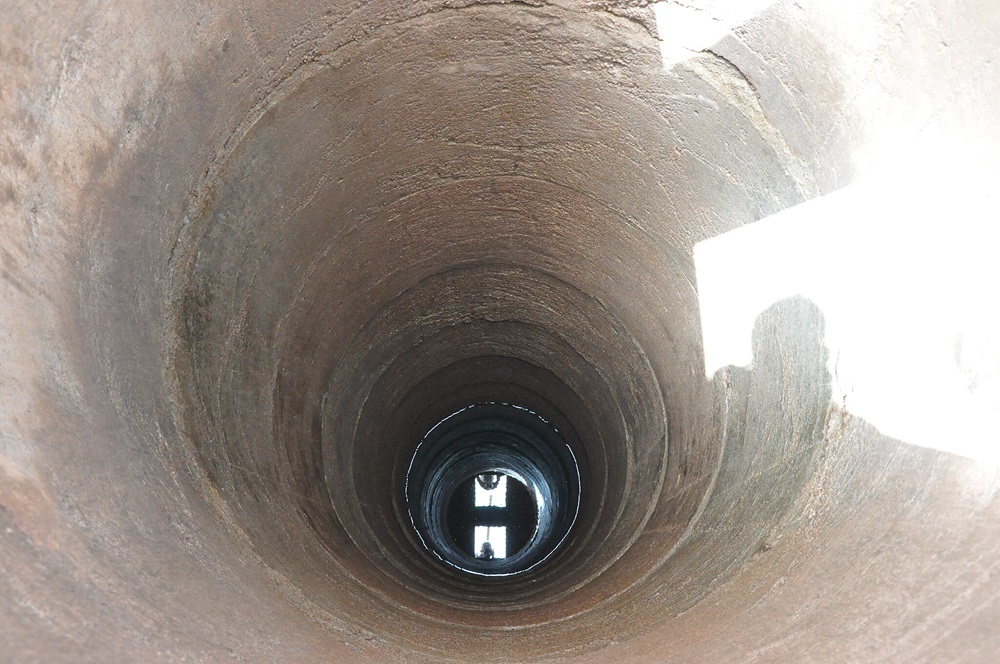
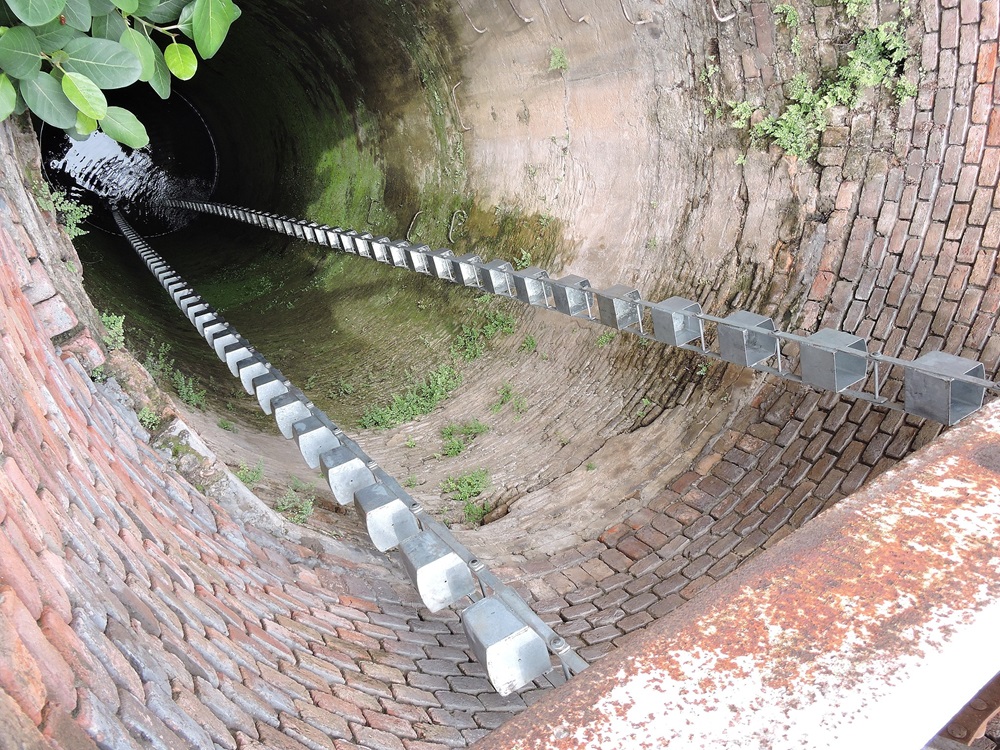
Shafts are vertical or near-vertical excavations used in mining, tunnelling, and constructing underground structures like wells or lift shafts. Due to their vertical nature, protecting shaft excavations requires specific methods. Shoring, bracing, and shaft lining are common approaches.
Shoring and bracing involves supporting the shaft walls using timber, steel, or concrete supports to prevent collapse. Shaft lining can also be done to protect the excavations by constructing a permanent structure, such as concrete or steel, around the shaft walls to ensure stability and safety.


4. Rock Excavation:
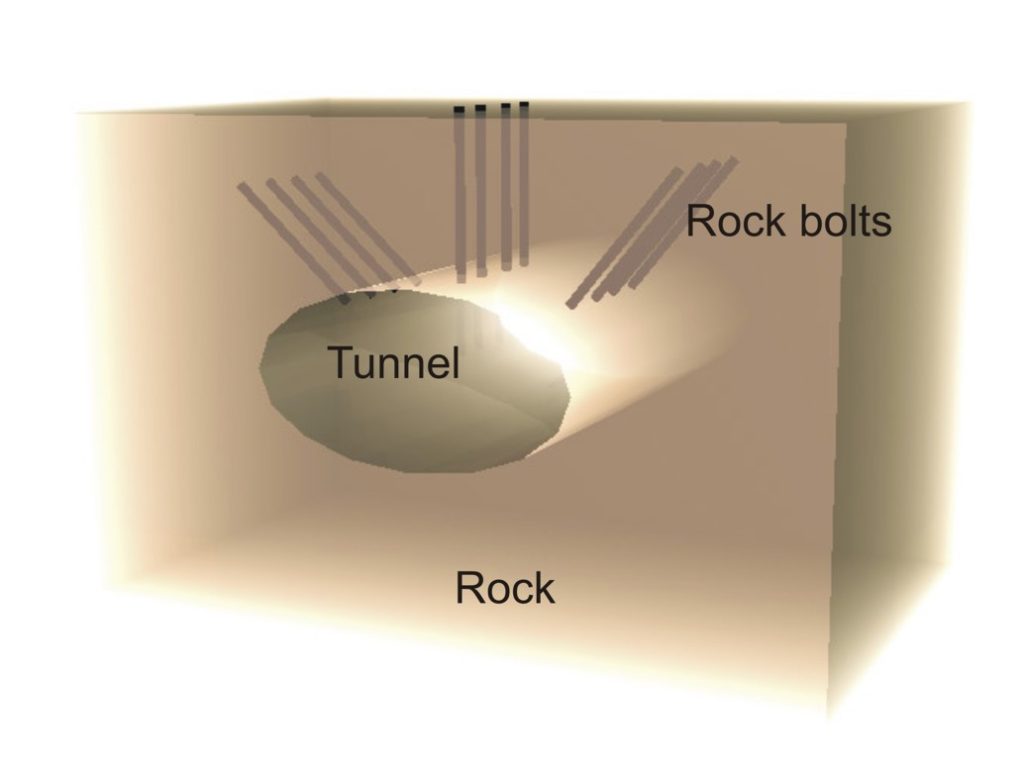
Rock excavation involves removing solid rock to create tunnels, foundations, or quarries. Given the inherent instability of rock formations, specialized protection methods are employed. These may include rock bolting, shotcrete, rock anchors, and meshing.
Rock bolting reinforces the rock by drilling holes and inserting bolts. In principle, the bolts transfer the load from the unstable exterior to the interior confined rock mass which is stronger.

Shotcreting involves spraying concrete to stabilize the rock surfaces. The concrete used for the shortcrete has very high early strength which allows it to be applied with support and also sticks to the surface.


Rock anchors are tensioned cables or rods inserted into the rock for additional support, while meshing prevents rockfall by covering unstable surfaces.
5. Underwater Excavation:
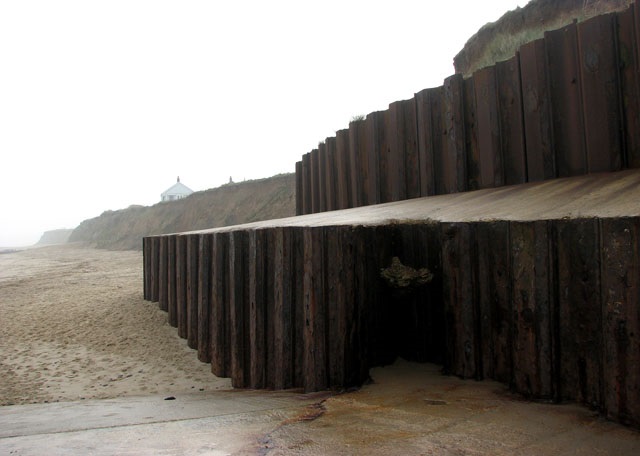
Underwater excavations are conducted in bodies of water for marine construction, dredging, or archaeological research. Protection methods for this kind of excavation can include cofferdams and sheet piling. Cofferdams create a dry work environment by enclosing the excavation site and pumping out water. Sheet piling, however, involves driving interlocking steel or concrete sheets into the seabed to create a barrier.
Best Safety Practices for Excavation Sites
In addition to protecting excavations, it is important to implement some best practices to ensure the safety and well-being of all workers on site. Below are the key safety practices to consider:
1. Proper Training and Supervision
Ensure that all personnel involved in excavation work receive adequate training on safety procedures, hazard recognition, and the use of protective equipment. Supervisors should monitor the work site regularly to ensure compliance with safety protocols.
2.Personal Protective Equipment (PPE)
Provide and enforce the use of appropriate PPE for all workers. This may include hard hats to protect against falling objects, high-visibility vests for visibility, safety glasses or goggles for eye protection, gloves for hand protection, and steel-toed boots for foot protection. Respiratory protection may also be necessary in environments with dust or fumes.
3. Communication and Coordination
It is also important to maintain good communication and coordination among all parties involved in the excavation project. To achieve this you can hold regular meetings to discuss safety concerns, review procedures, and address any issues that arise.
4. Daily Inspections
Conduct daily inspections of the excavation site before work begins. This will provide an opportunity to identify any signs of instability or hazards which will ensure that any issues are addressed promptly.
5.Signage
Install clear and visible signage throughout the excavation site to communicate hazards, restricted areas, and safety procedures. Use warning signs to alert workers and visitors to potential dangers such as uneven terrain, falling objects, or restricted access zones. Ensure that signage is well-maintained and easily understood by all personnel on-site.
6.Lighting
Proper lighting is essential for safe excavation work, especially when working during early morning or late evening hours. Adequate illumination helps to identify hazards and allows workers to operate machinery safely. Ensure that lighting equipment is properly maintained and positioned to provide a uniform coverage of the entire work area.
7.Water and Weather Management
It is also important to manage water on site to avoid accumulation within the excavation site as well as prevent flooding and soil instability. You can use pumps or drainage systems to remove excess water. In addition, monitor weather forecasts and suspend excavation work during adverse weather conditions, such as heavy rain or high winds, to minimize safety risks.
8. Emergency Preparedness
Finally, make sure that you develop and implement an emergency response plan specific to the excavation work. This plan should outline procedures for responding to accidents, injuries, or environmental hazards. Once you have the plan ready, then ensure that all workers are familiar with emergency protocols and know how to access emergency services if needed.
Conclusion
To summarize, understanding and integrating these protective measures and safety practices into excavation projects will be essential to your project’s success. Remember, safety comes first in every construction task, and adherence to safety protocols should be non-negotiable.
For more updates, like our Facebook Page.
Please don’t forget to subscribe to our newsletter!
YOU MAY ALSO LIKE TO READ
- A Simple Guide to Runoff ManagementWhether you are working on a small infrastructure project or a large one, rainwater (runoff) is always going to be an issue. That’s why runoff management is a critical part of sustainable land development and environmental protection. As more parts of the world become urbanized and climate patterns continue to… Read more: A Simple Guide to Runoff Management
- A Billion Dollar Problem: What Construction Waste Management Means for the IndustryIt is estimated that nearly 30% of the world’s solid waste comes from construction and demolition (C&D) activities. This includes everything from broken concrete, wood, metal, drywall, bricks, glass, plastics, asphalt, to packaging materials. Most of this waste ends up in landfills, contributing to environmental degradation and increasing costs for… Read more: A Billion Dollar Problem: What Construction Waste Management Means for the Industry
- 5000 Years of Computing: Our Engineering Journey to Quantum ComputingFor over a millennium, human ingenuity has been entwined with the development of tools to aid computation. From the use of the abacus beads to the barely comprehensible entanglement of quantum bits, computing has evolved not only in speed and complexity but also in the way engineers use it to… Read more: 5000 Years of Computing: Our Engineering Journey to Quantum Computing