

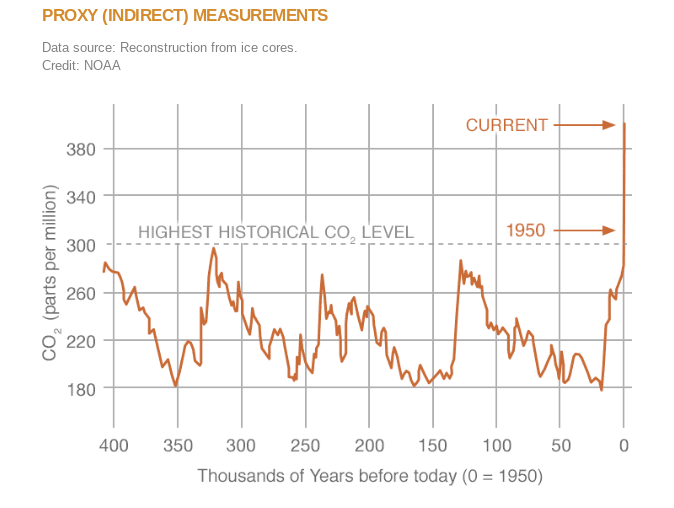
The world’s carbon emissions have exceeded historical thresholds observed over the past millennium, with their impacts increasingly felt across the globe. The construction industry, one of the largest contributors to global emissions, is under growing pressure to adopt cleaner, more sustainable energy sources.
_measurements.png)
This is why researchers and engineers are turning to innovative energy solutions. One promising alternative is hydrogen technology, which has the potential to decarbonize heavy-duty machinery, material production, and on-site energy generation.
In this article, we explore hydrogen technology, its latest breakthroughs, its potential applications in construction, and the key challenges that lie ahead on the path to widespread adoption.
What is Hydrogen Technology?
Hydrogen technology refers to the use of hydrogen gas (H₂) as a clean energy source. At its core, it involves extracting hydrogen from natural resources, storing it, and converting it into usable energy — often through fuel cells that generate electricity with only water and heat as byproducts.
In the recent years, hydrogen has emerged as a powerful solution in the global push toward sustainability. While it’s already being used in transportation and power generation, its application in construction technology is now gaining momentum.
Why Hydrogen Technology Matters in Construction
The construction industry is one of the largest contributors to global carbon emissions, largely due to its reliance on diesel-powered equipment. Introducing hydrogen-powered machinery offers multiple benefits:
- Zero Emissions: Hydrogen fuel cells emit only water vapor, drastically reducing a construction site’s carbon footprint.
- Lower Noise Pollution: Hydrogen engines are quieter than traditional combustion engines, improving urban construction environments.
- Fuel Efficiency: Hydrogen has a high energy density, making it a long-lasting power source for heavy-duty machines.
- Energy Security: Hydrogen can be produced locally from a variety of resources, reducing reliance on imported fossil fuels.
The Journey to Hydrogen Engines in Construction
The concept of hydrogen power isn’t new, but applying it in construction has evolved slowly over time. Here’s a brief look at key milestones that reflect the journey of hydrogen technology:
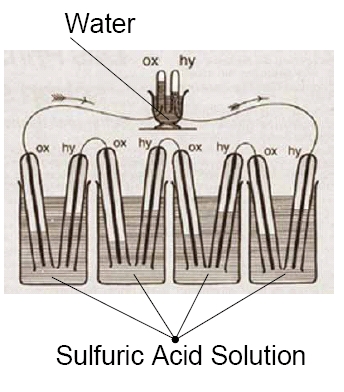
- 1839: Sir William Grove develops the first fuel cell, demonstrating that electricity can be produced through a chemical reaction between hydrogen and oxygen.

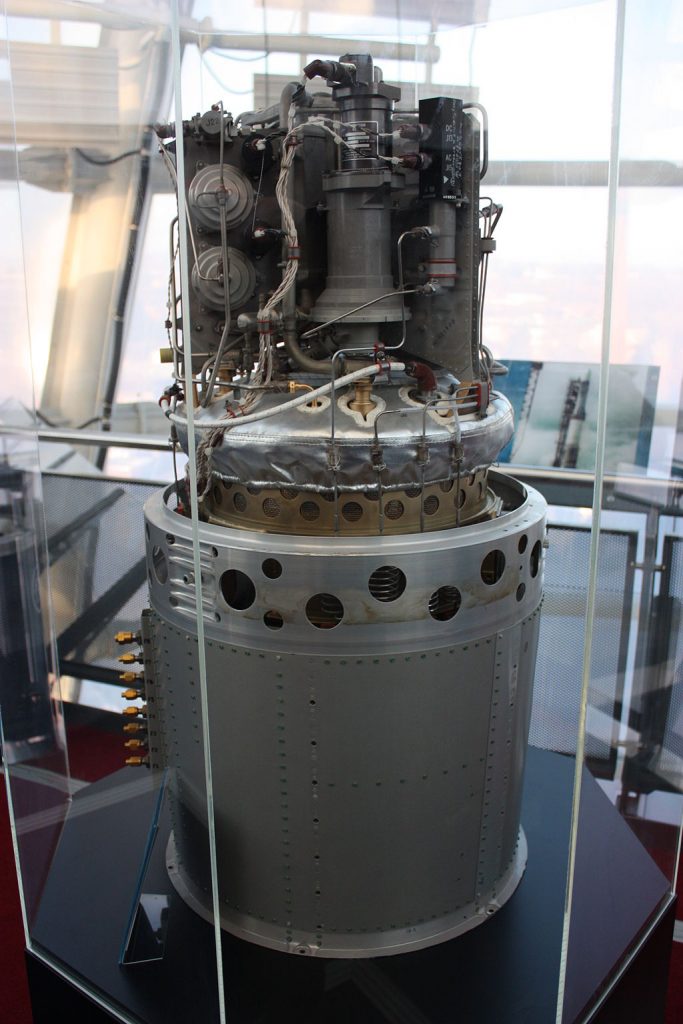
- 1960s-70s: NASA uses hydrogen fuel cells to power spacecraft, proving the technology’s reliability in extreme conditions.

- 1990s: Hydrogen-powered cars enter early-stage development, setting the stage for wider interest in fuel cell technology.


- 2010s: Major automakers and governments begin investing heavily in hydrogen infrastructure.
- 2020s: Construction equipment manufacturers like JCB and Hyundai unveil hydrogen-powered excavators and loaders, demonstrating the technology’s real-world potential in construction.
These advancements represent decades of innovation, but they’ve only recently aligned with the construction industry’s sustainability goals and economic feasibility.
Challenges Hydrogen Technology Still Faces
Despite its promise, hydrogen technology in construction is not without its challenges:
- High Production Costs: Producing green hydrogen (from renewable sources) is still expensive compared to fossil fuels.
- Limited Infrastructure: There are few refueling stations for hydrogen, especially in rural or remote areas where construction often takes place.
- Storage and Transport Issues: Hydrogen is highly flammable and requires specialized, often costly storage solutions.
- Durability Concerns: Construction equipment demands rugged, long-lasting engines, and hydrogen systems must be proven under these tough conditions.
- Regulatory Hurdles: Safety standards and certifications for hydrogen-powered construction equipment are still developing in many countries.
Looking Ahead
Hydrogen power represents a significant step forward for the construction industry one that could revolutionize how we build the world around us. As technology matures and infrastructure expands, we may soon see construction sites powered by clean, quiet, and efficient hydrogen energy. The road ahead is complex, but the destination is a greener, more sustainable future.
Please don’t forget to subscribe to our newsletter!
YOU MAY ALSO LIKE TO READ
- A Simple Guide to Runoff ManagementWhether you are working on a small infrastructure project or a large one, rainwater (runoff) is always going to be an issue. That’s why runoff management is a critical part of sustainable land development and environmental protection. As more parts of the world become urbanized and climate patterns continue to… Read more: A Simple Guide to Runoff Management
- A Billion Dollar Problem: What Construction Waste Management Means for the IndustryIt is estimated that nearly 30% of the world’s solid waste comes from construction and demolition (C&D) activities. This includes everything from broken concrete, wood, metal, drywall, bricks, glass, plastics, asphalt, to packaging materials. Most of this waste ends up in landfills, contributing to environmental degradation and increasing costs for… Read more: A Billion Dollar Problem: What Construction Waste Management Means for the Industry
- 5000 Years of Computing: Our Engineering Journey to Quantum ComputingFor over a millennium, human ingenuity has been entwined with the development of tools to aid computation. From the use of the abacus beads to the barely comprehensible entanglement of quantum bits, computing has evolved not only in speed and complexity but also in the way engineers use it to… Read more: 5000 Years of Computing: Our Engineering Journey to Quantum Computing